

Do you have a project?
Describe your requirements to us — we develop the perfect solution for your individual special machinery application.
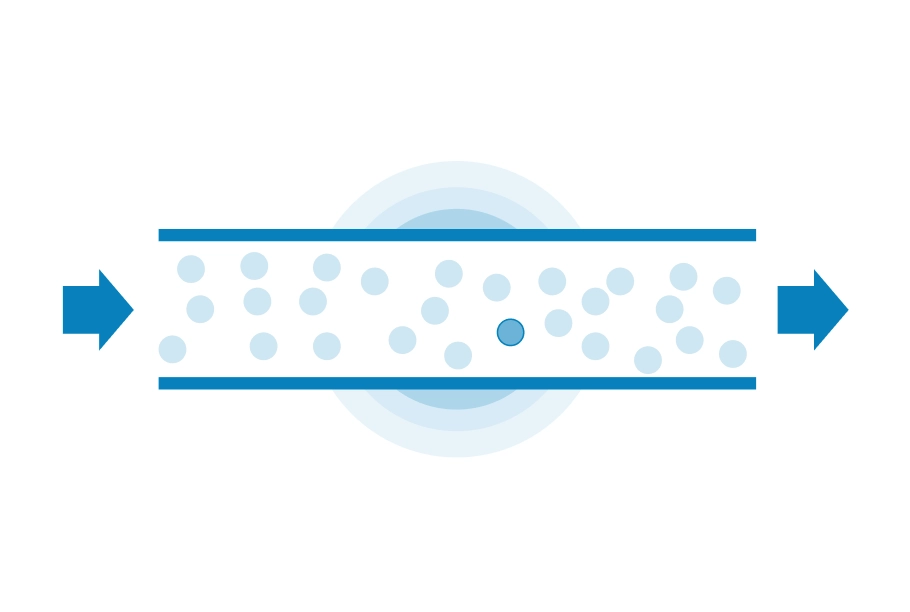
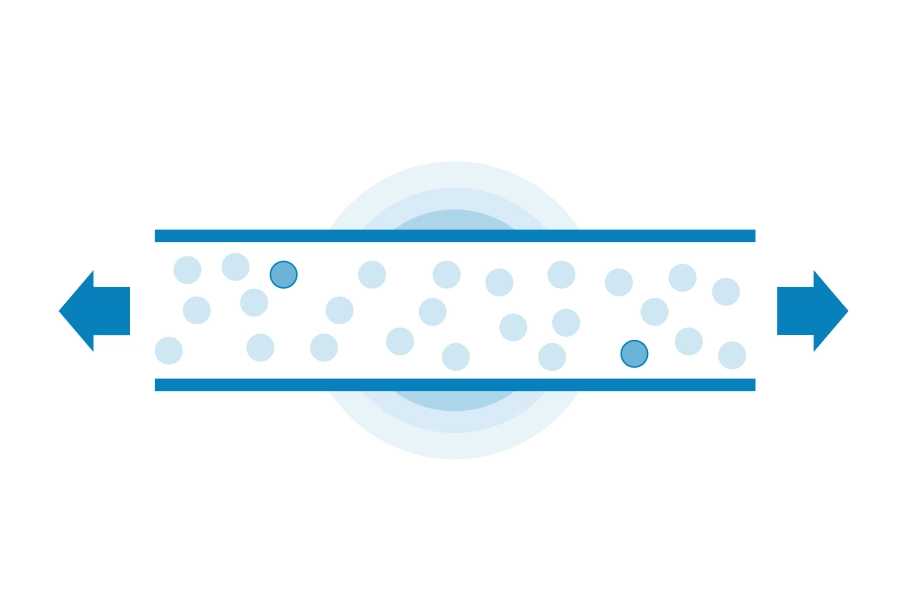
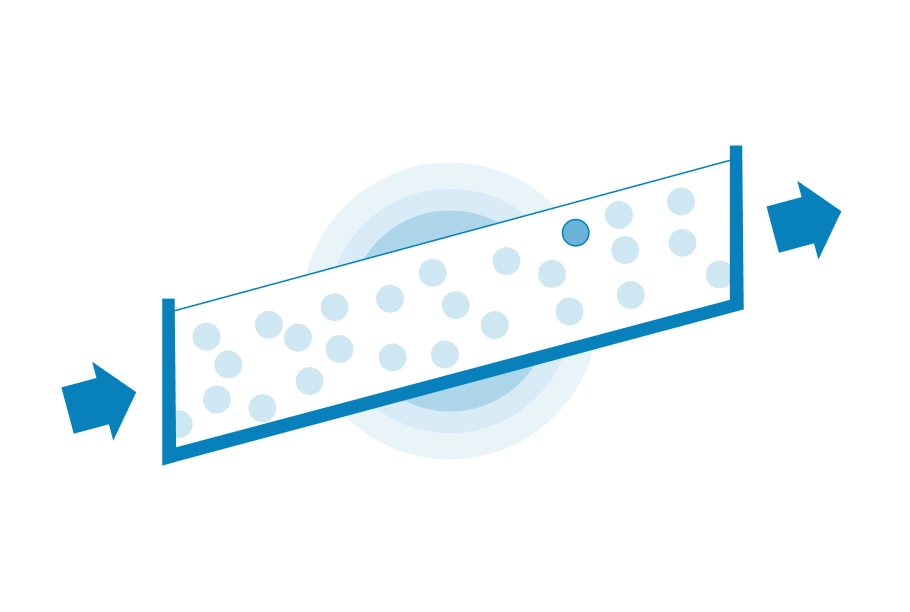
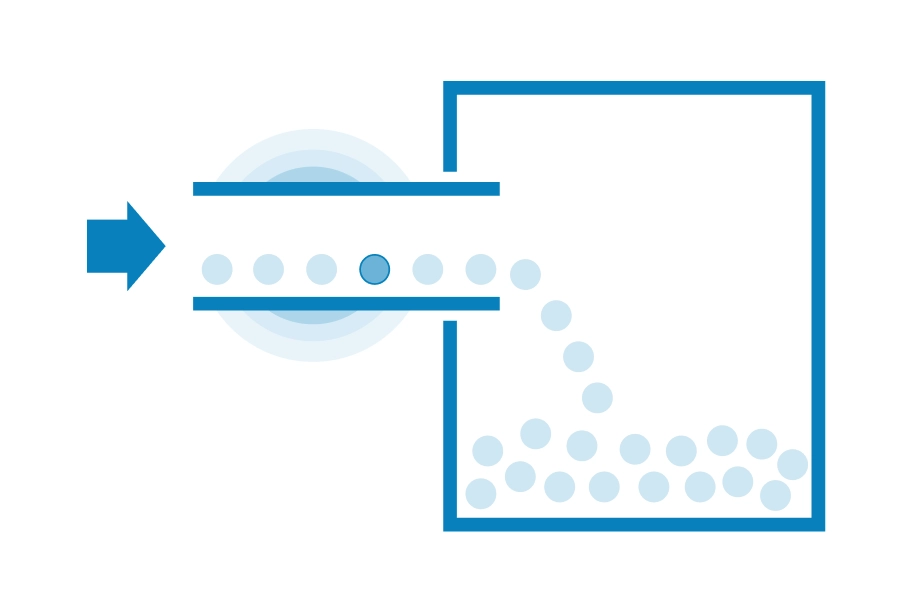
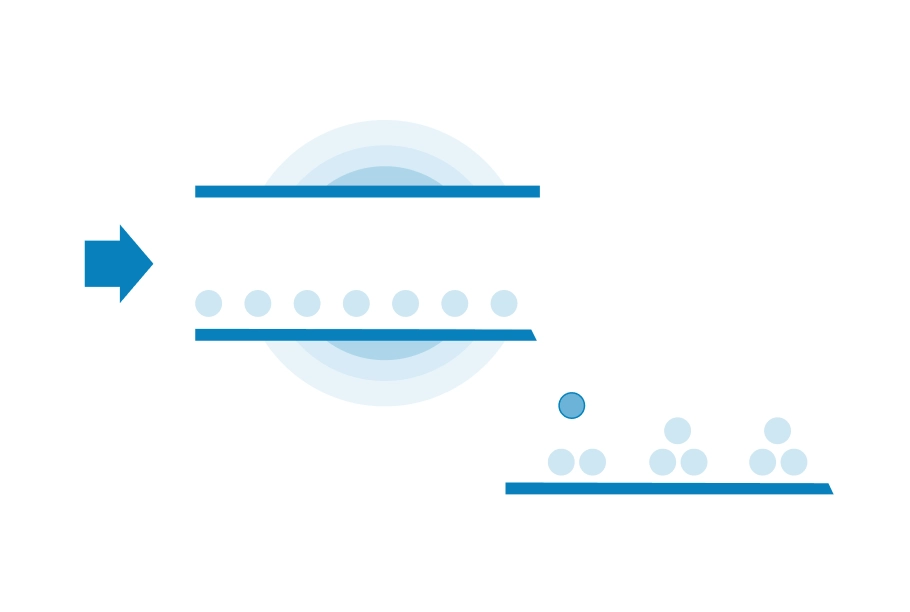
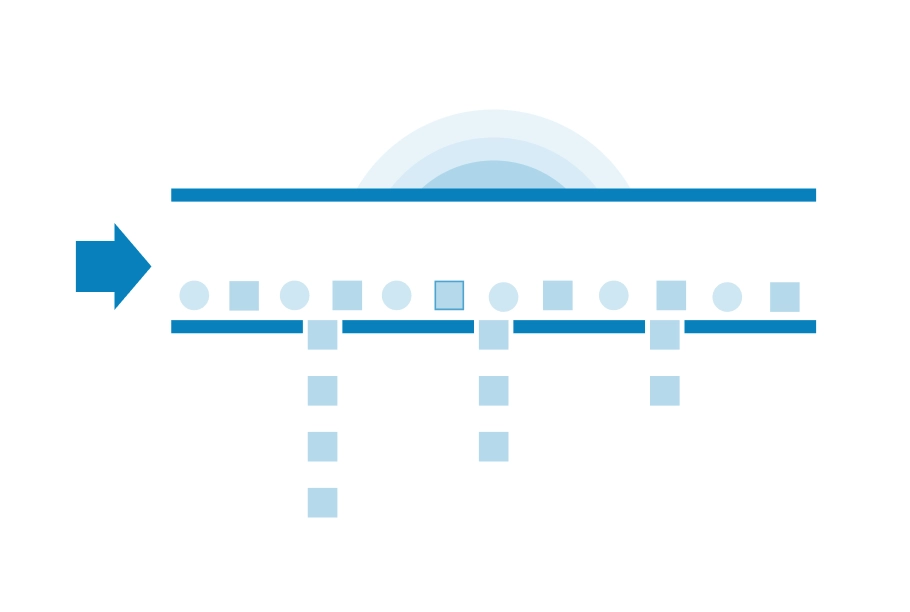
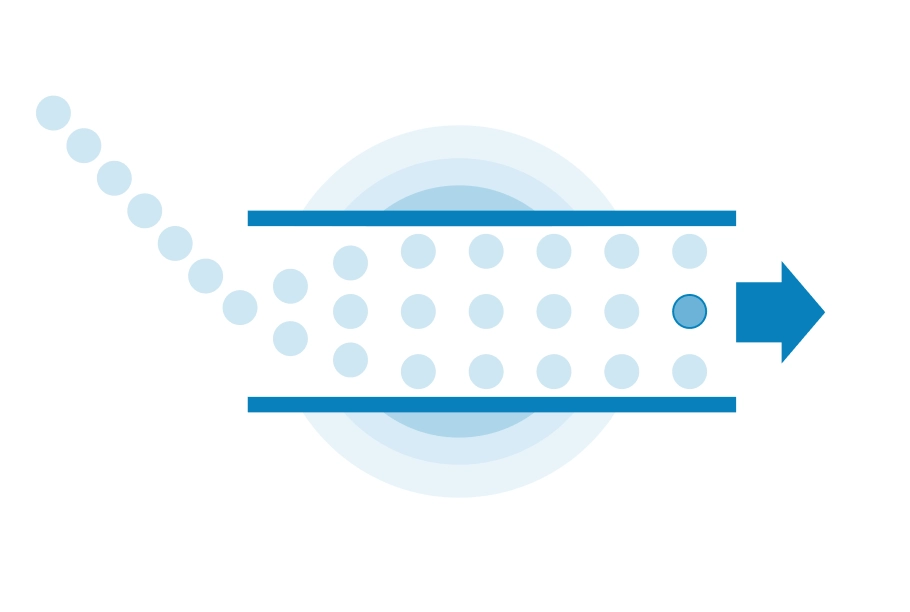
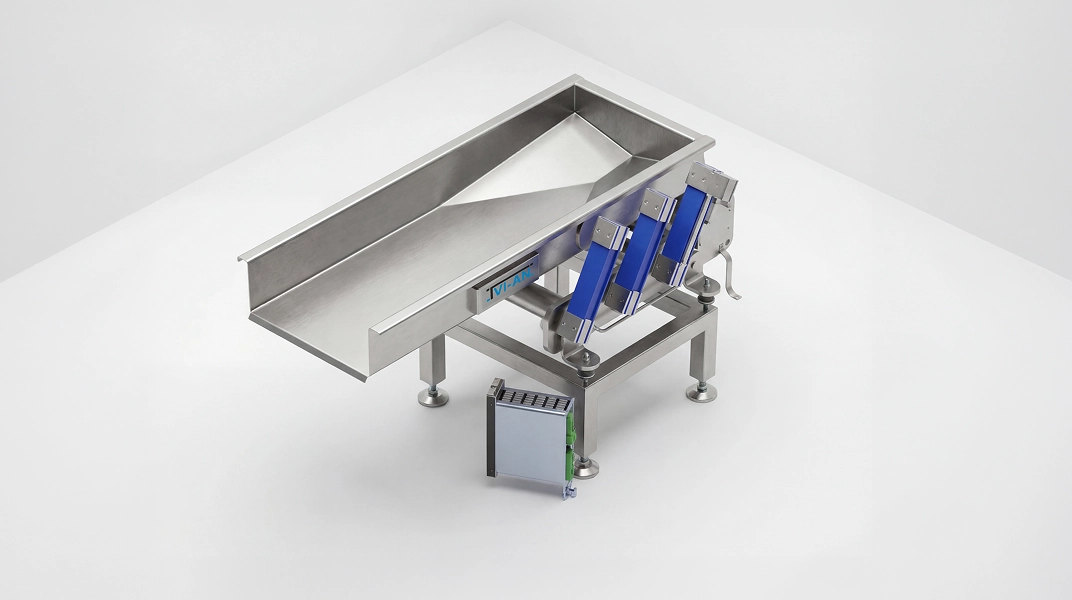
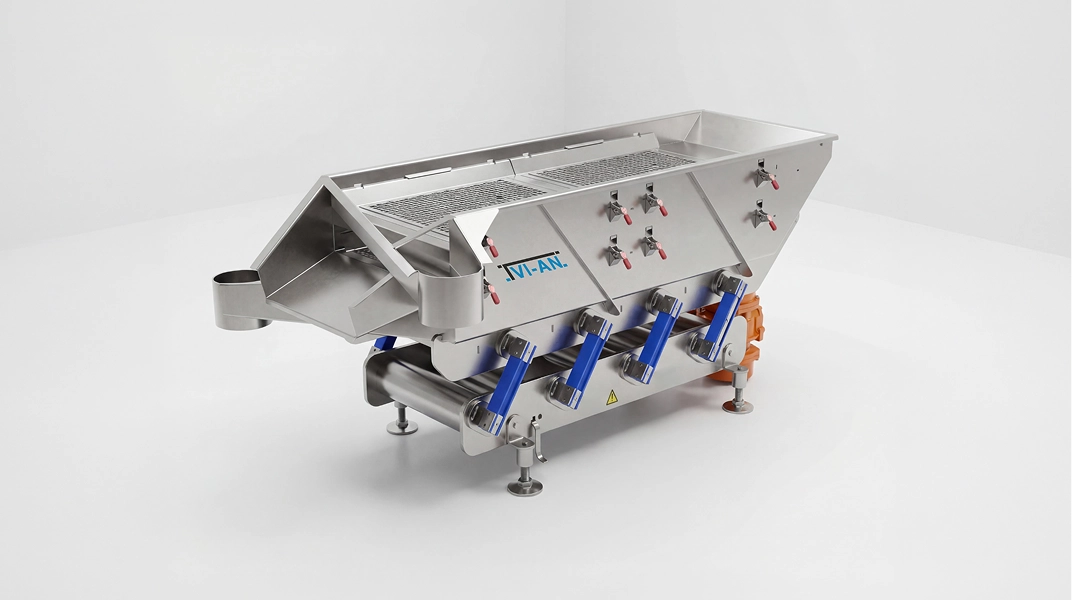
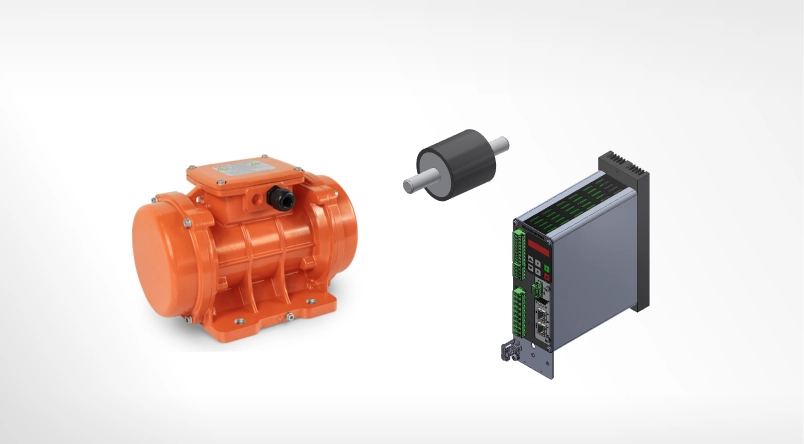
Our vibratory conveyors and vibrating machines cover a wide range of processes – from conveying and dosing to drying.

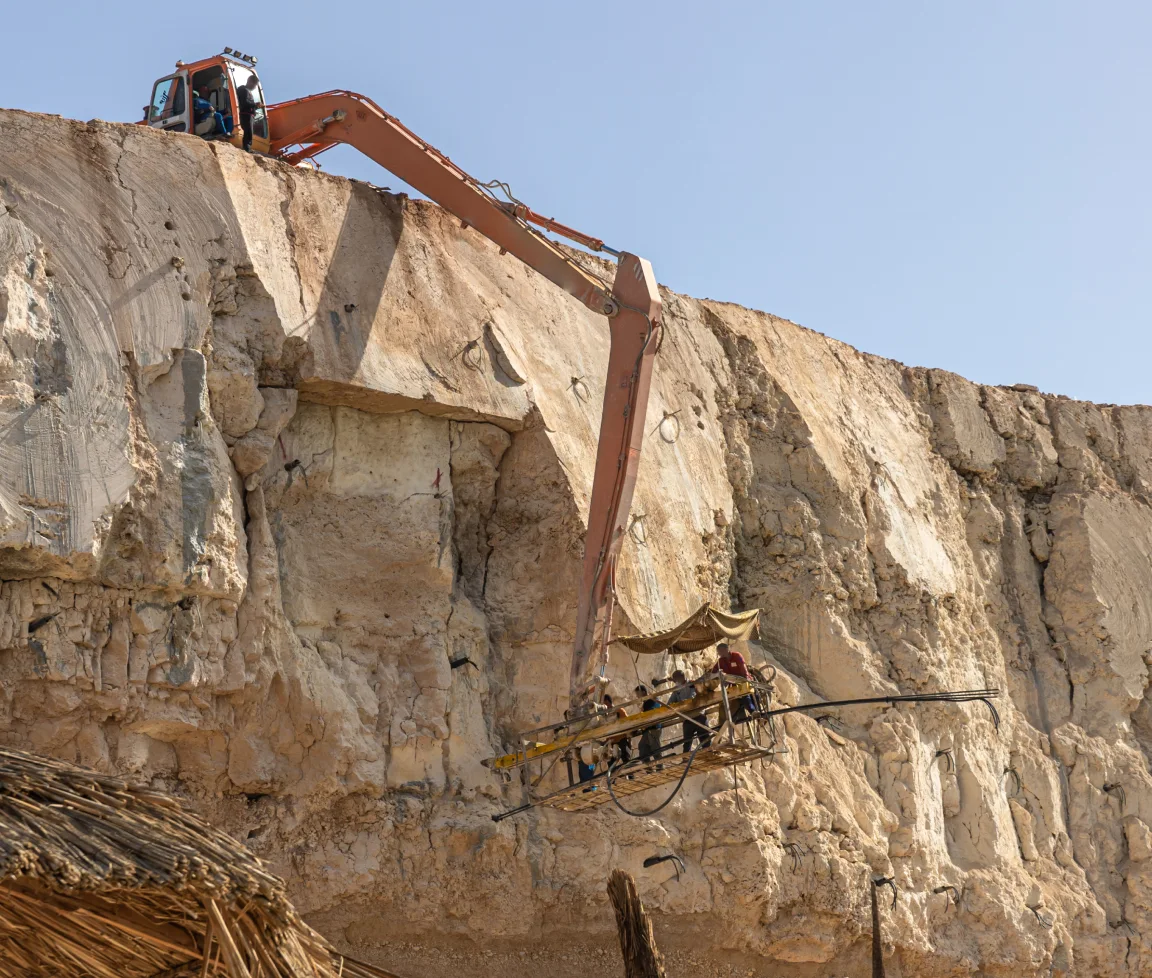
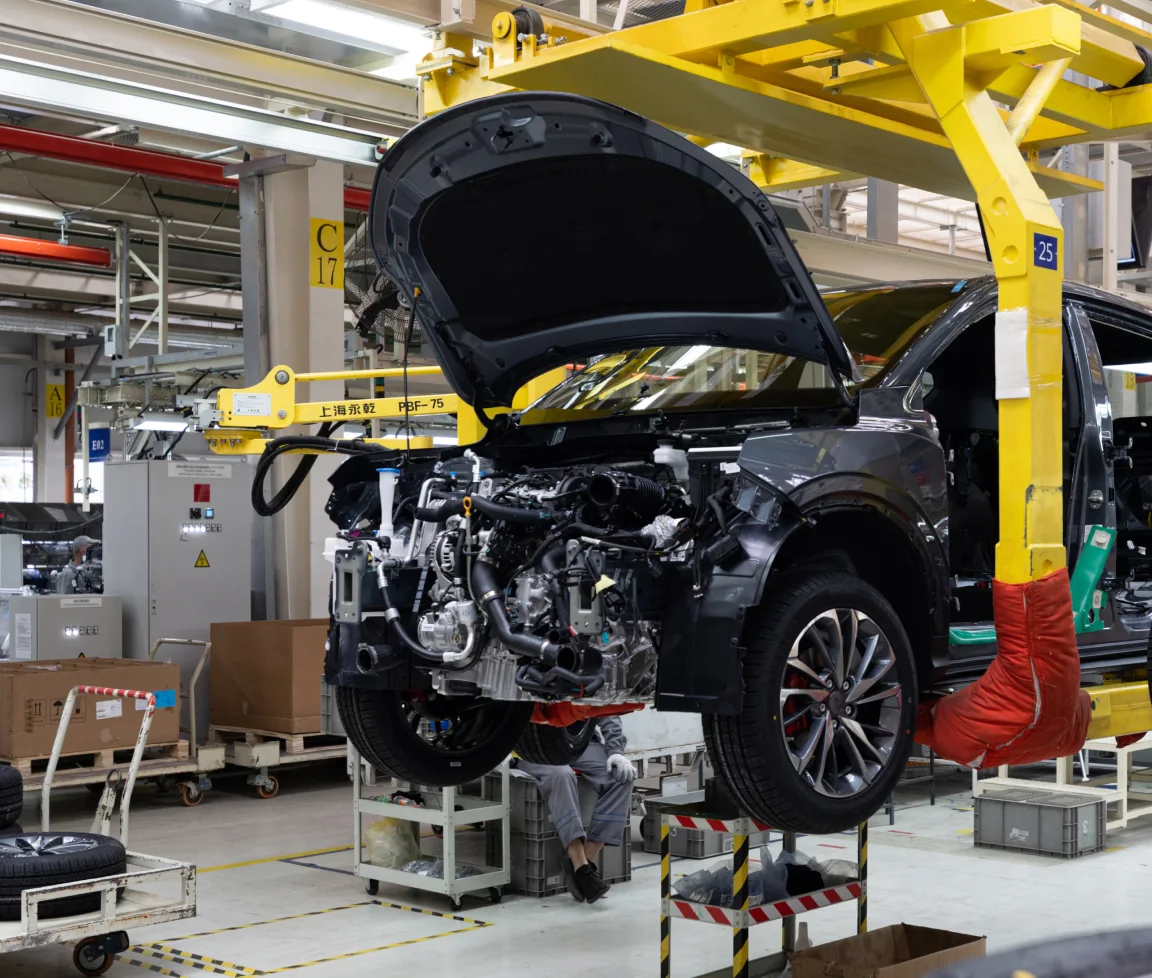
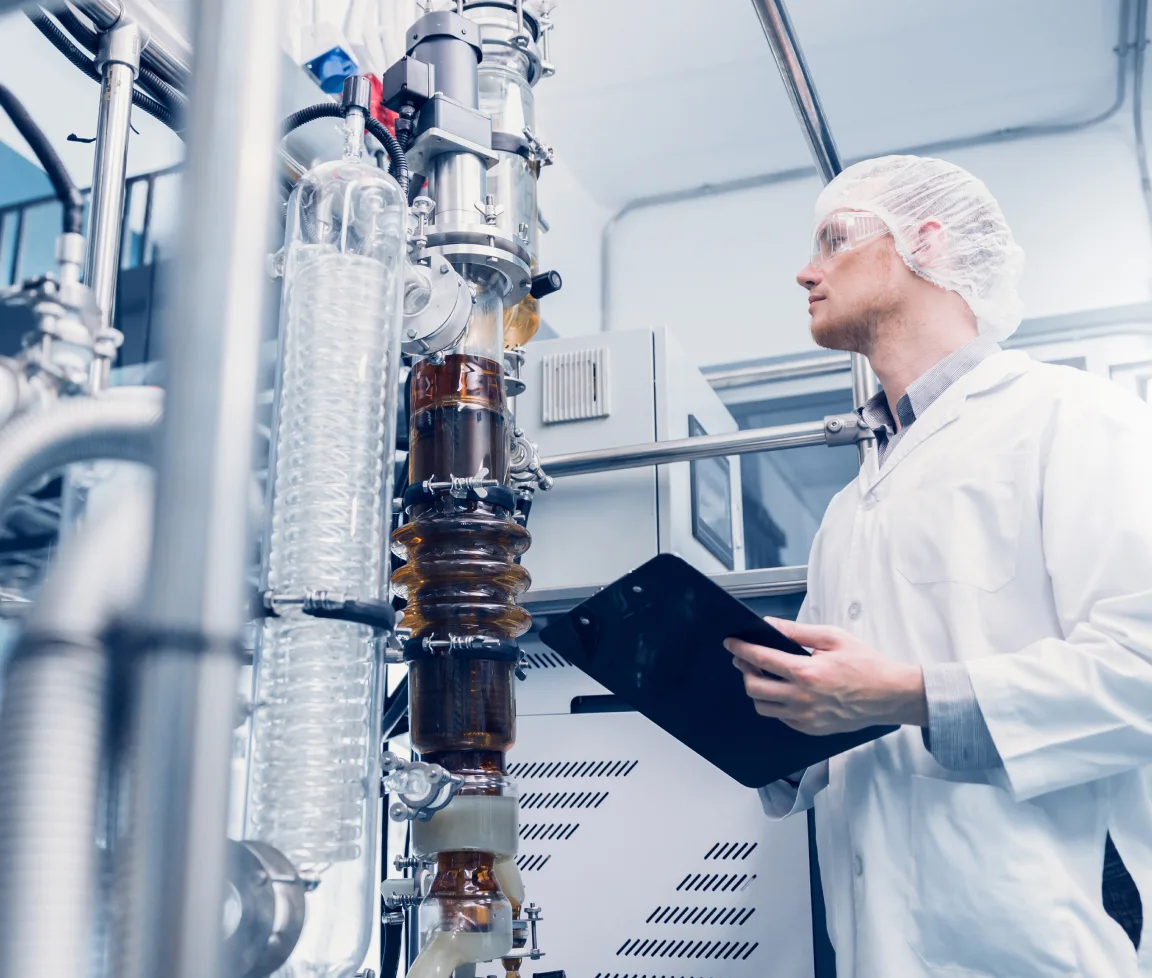
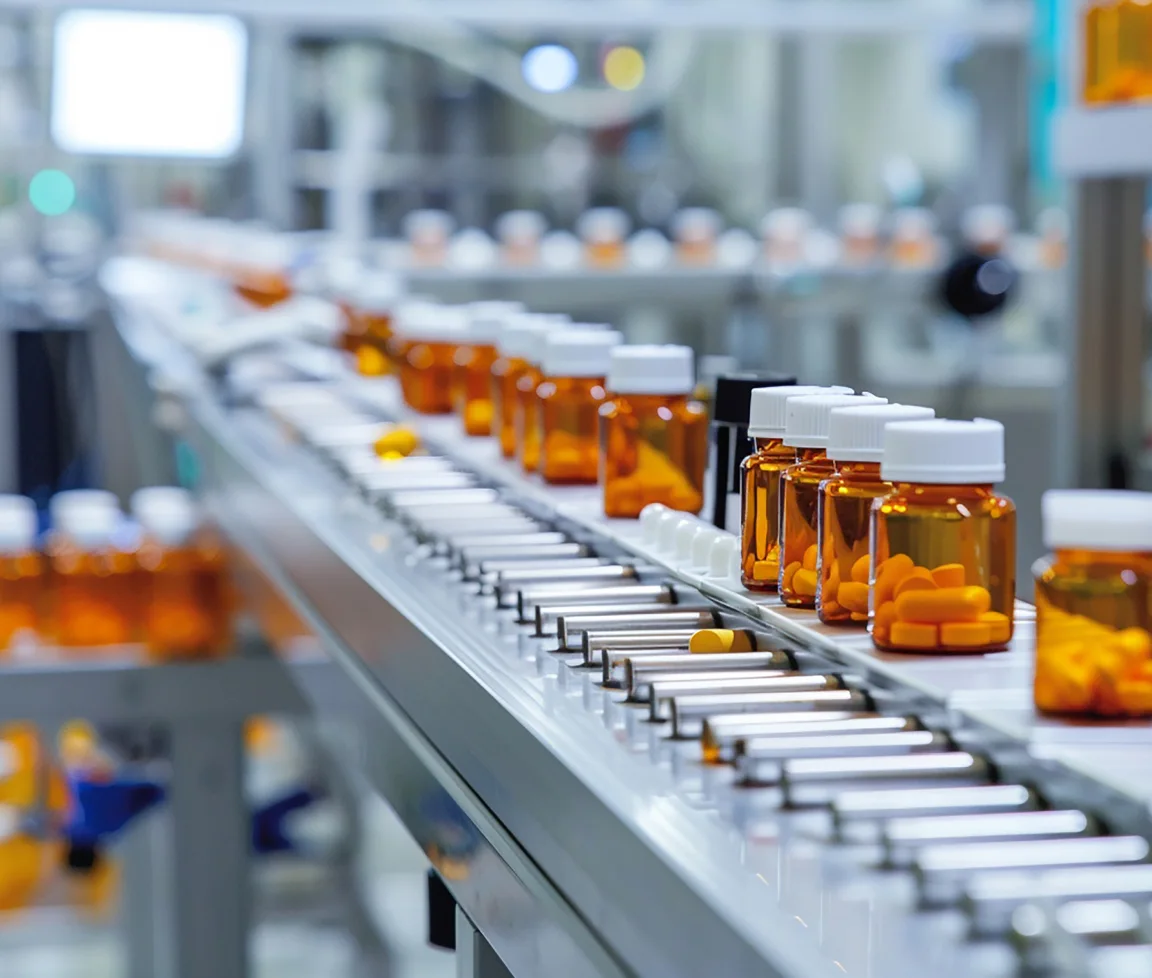


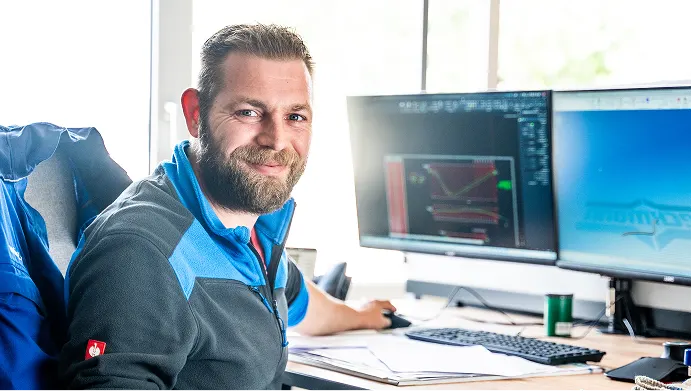
A dedicated contact person supports your project from inquiry to commissioning.
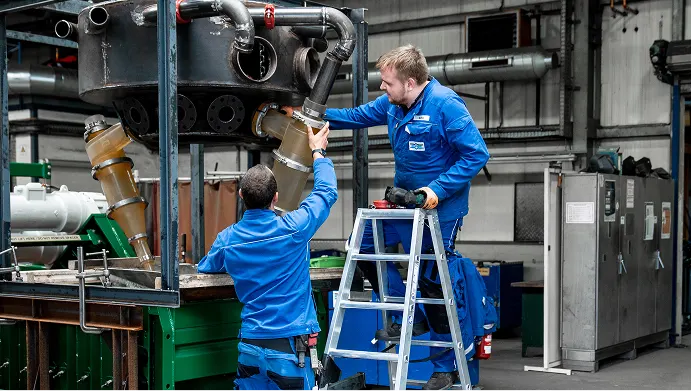
In our technical center, we test your materials and optimize the process parameters.

Fast spare parts supply and expert service — even years after commissioning.
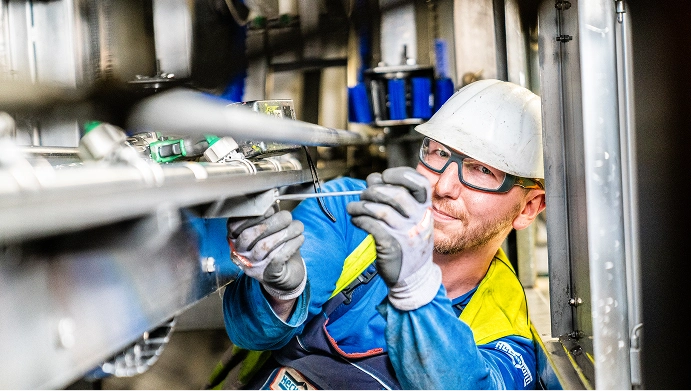
Design, manufacturing, and commissioning — for shorter project durations and seamless coordination.
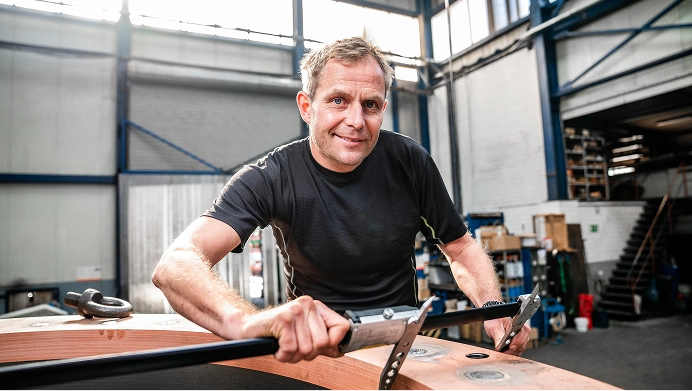
Every machine is custom-designed for your requirements — no off-the-shelf solution.
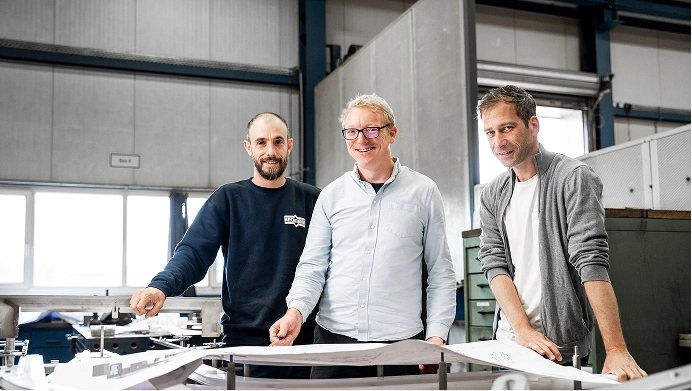
Our engineers analyze your processes directly on-site and develop customized solutions.
Describe your requirements to us — we develop the perfect solution for your individual special machinery application.

As a partner, Heckmann manufactures the SHS drying systems developed by Bioretur specifically for sludge in Norway.
Bioretur has developed the plant technology specifically for the efficient processing of sludge and is already successfully using it in Norway.
On the right, a plant of this construction method is used in Norwegian salmon farming to process fish sludge. The plant concept can be directly transferred to other sludge drying industries.
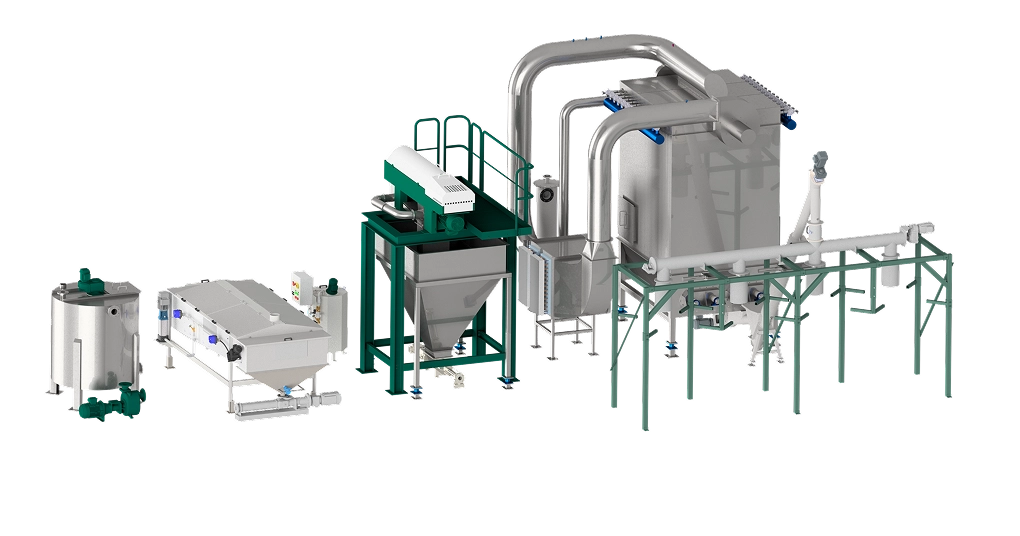
In this tank, sludge from the production process is collected. The sludge typically has a dry matter content between 0.1–0.5%.
Polymer is added to the sludge to aggregate the dry matter into larger flakes. This makes it easier to separate the water, resulting in a cleaner effluent. The type and dosage of the polymer are selected based on the material's properties.
The belt filter removes most of the water from the sludge and is the first step in the mechanical dewatering process. The dry matter content of the sludge reaches at least 4–5% here.
The decanter centrifuges more water from the sludge, increasing the dry matter content to approximately 20–30%. The filtrate is returned for further thickening and filtration.
Stores the sludge from the decanter before it is fed to the dryer.
This dryer is based on superheated steam technology, which evaporates the water and produces a hygienized, dry powder with a dry matter content of over 90%.
Reduces odors and condenses vapors from the drying process.
The hygienized and storage-stable sludge is discharged from the dryer in a semi-continuous process and fed to a distribution screw conveyor that fills big bags with sludge. The dried sludge is weighed and labeled before being collected for further processing.
This circuit extracts the remaining waste heat from the dryer, which can be used to cover the heating requirements of the aquaculture facility.
In this tank, sludge from the production process is collected.The sludge typically has a dry matter content between 0.1 – 0.5%.
Polymer is added to aggregate the dry matter in the sludge into larger clumps. This makes it easier to separate the water, resulting in a cleaner effluent. The type and dosage of polymer are chosen based on what best suits the material.
The belt filter removes most of the water from the sludge and is the first step in the mechanical dewatering process. The dry matter content of the sludge here reaches at least 4 – 5%.
The decanter centrifuges more water out of the sludge, increasing the dry matter content to between 20 – 30%. The effluent is sent back for further thickening and filtration.
Stores the sludge from the decanter before it is fed into the dryer.
This dryer is based on superheated steam technology, which evaporates the water and results in a hygienised and dry powder with over 90% dry matter content.
Reduces odor and condenses vapors from the drying process.
The hygienised and storage-stable sludge is transported out of the dryer in a semi-continuous process and into a distribution screw that fills big bags with sludge. The dry sludge is weighed and labeled before being picked up for further handling.
This loop extracts residual heat from the dryer, which can be used to meet heating needs at the aquaculture facility.
VI-AN is a brand of the Heckmann Group and specializes in industrial special machine construction in vibration technology.
Founded in 2006 and part of the Heckmann Group since 2016, VI-AN develops customized solutions for a wide range of industries and applications.
Our focus is on tailor-made special machines, complemented by small-batch and large-scale production. Special applications such as infrared drying are also part of our service portfolio.


%202.png)


%202.png)








%202.png)